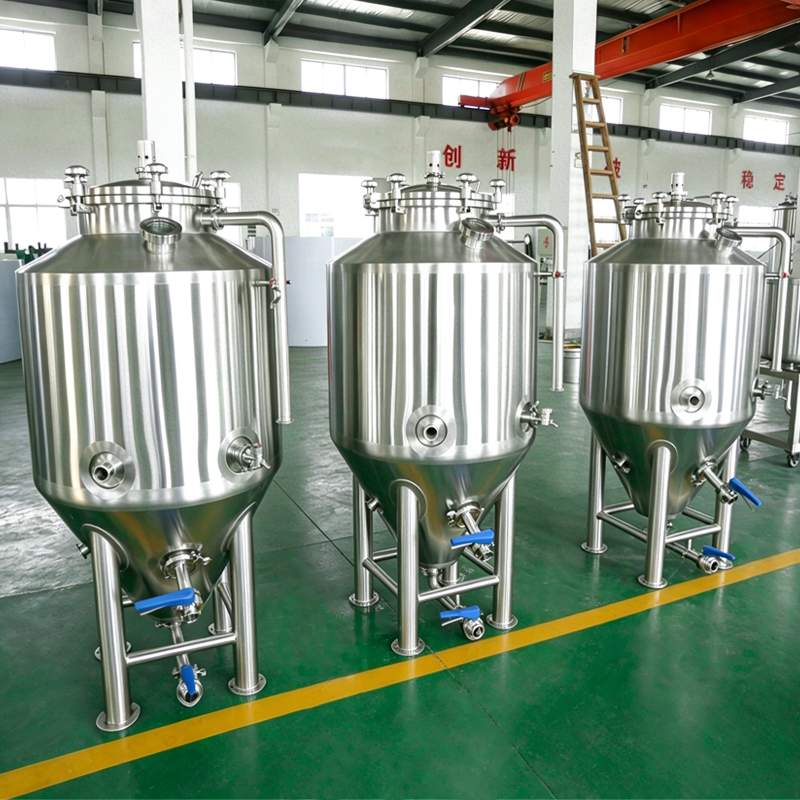
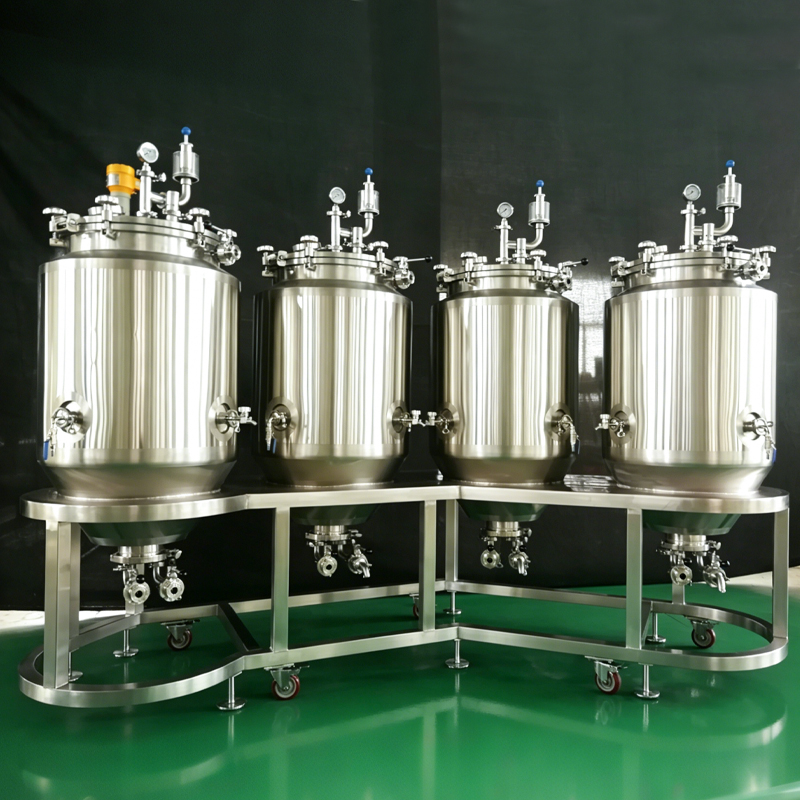
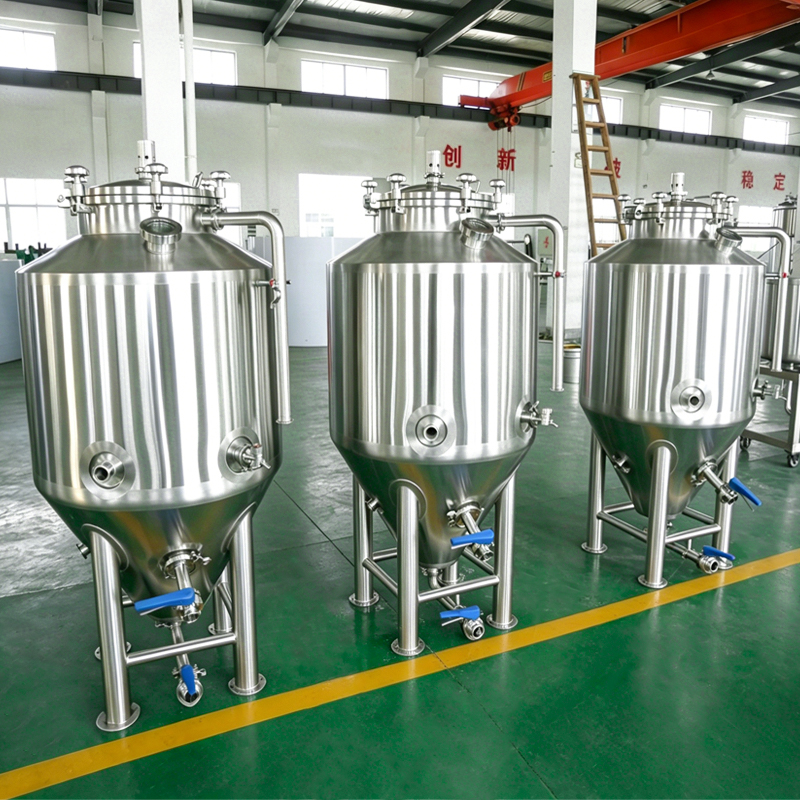
What Is Fermentum Propagandais & Repono Equipment?
Yeast Propagation & Storage obterere are dedicated stainless steel vessels used to grow a healthy, active yeast population before pitching and to hold harvested yeast between batches under conditions that preserve its viability. These two functions — propagation and storage — are closely linked but serve different purposes: propagation builds up cell count and vitality ahead of fermentation, while storage keeps already-harvested yeast in a stable, low-activity state until it's needed again.
Breweries and other fermented beverage producers rely on this equipment to reduce dependence on purchasing fresh yeast for every batch, instead reusing and building up healthy yeast generations in-house.
Clavis Commoda Dedicavit fermentum Propaganda & PRAECLUSIO Lacus
Circumsedere in instrumento fermento constructo in proposito complures utilitates practicas in usu vasorum communium vel tumultuatorum tradit.
- Altius fermentum viability in positis - condiciones propagationis moderatae fortiores efficiunt, magis constantes cellulas incolarum quam modos ad-hoc starter
- Fermentum redactum ad emptionem gratuita, quia generationes sanae fermentum per plures batches reddi possunt
- Magis congruenter fermentatio perficiendi massam-ad-batch, quia propagatum fermentum intrat fermentationem ad densitatem notam, iterabilem cellulam densitatem.
- PLUTEUM FERMENTUM vitam extensam per repositionem frigidam, reducendo frequentiam novi fermenti, contentionem accedens
- Melior est contagium temperantia, cum vas sterilis dedicatum segregat fermentum tractantem ab aliis gradibus productionis
A propagation tank starts with a small yeast starter culture combined with sterile wort, juice, or a nutrient medium, then holds the mixture at a controlled temperature with gentle aeration or agitation to encourage rapid, healthy cell growth. As the yeast population multiplies, the tank's jacketed cooling system manages the heat generated by increasingly active metabolism, preventing the culture from overheating before it reaches target cell density.
Cum fermentum colligitur ex fermento completo, transfertur ad a . repono tristique tenuit humilis temperatus , typice supra congelatio , quod metabolismi fermenti ad statum prope sopitam sine cellulis necandis tardat. A cone-bottom design allows dead cells and trub to settle and be removed from the bottom, keeping the stored yeast slurry as clean as possible before its next use.
Sustineat fermentum Salutem Inter usus
Gentle agitation during storage helps prevent yeast from compacting too tightly at the bottom of the tank, which can stress or kill cells in the lower layers. Periodic monitoring of viability and cell count helps operators decide when a yeast generation should be retired and replaced with a fresh propagation batch.
Propagationis vs. PRAECLUSIO: Conditiones variae pro diversis Nullam dignissim convallis est
Because propagation and storage serve opposite goals — one encourages growth, the other slows it down — the operating conditions in each tank type differ significantly. Mensa infra summat clavem contraria.
Generalis conditio operating differentias inter fermentum propagationis et fermentum repono obterere | Munus | Typical Temperature | Prima meta |
| Propagation | 18-25° C (aliquam-dependens) | Celeri, sanum incrementum cell |
| Breve tempus repono | 2-4°C | Metabolismus retardatus, prope-term reuse |
| Fundo repono | 0-2°C | Maximum viability retention in tempore |
Industria Applications ac Vestibulum Expertise
Fermentum propagationis et repono obterere are essential wherever fermented beverage producers want to reduce reliance on outside yeast suppliers and maintain closer control over strain characteristics generation after generation. This is especially valuable for breweries and wineries that have developed house yeast strains contributing to a signature flavor profile they want to preserve consistently.
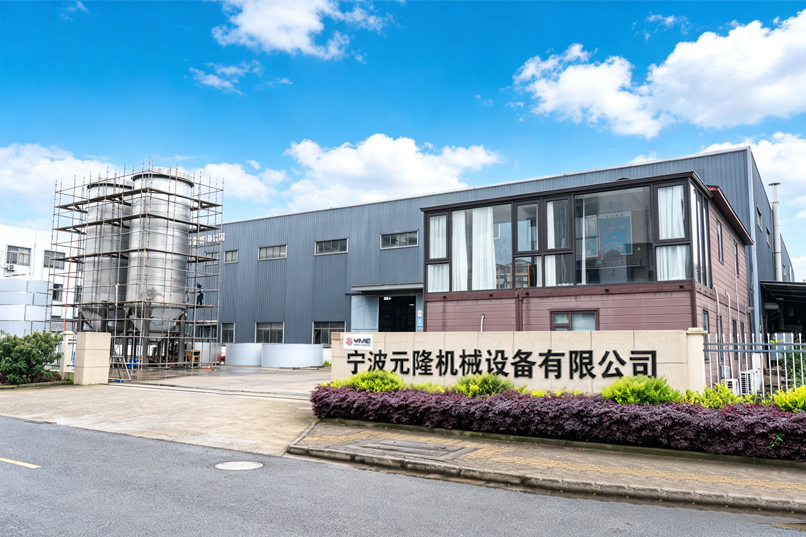
Sicut Sina-fundatur OEM/ODM fabrica fluidi processus et celiae cum apparatu super XX annos industria experientia , YME Equipment Co., Ltd designs and manufactures yeast propagation and storage tanks as part of complete brewhouse and fermentation system solutions. YME's designers, engineers, and production staff continuously undergo advanced training to stay current with yeast handling best practices, allowing the company to tailor tank features to projects of varying size and complexity. YME incorrupta machina ferri in clientibus per Europam, Americam Septentrionalem, Australiam, et Asiam clientibus exportata est, societates diuturnae structae in qualitate constanti et accurata, machinatione formata.
Frequenter Interrogata
Q1: Quam diu fermentum condi potest antequam viability amittat?
This varies by strain and storage temperature, but yeast held near freezing in a properly designed storage tank generally maintains usable viability for one to a few weeks before a fresh propagation cycle is recommended.
Q2: Cur propagatio aerationem requirit dum reposita non est?
Aeration incrementum cellae oxygeni agitatae in propagatione sustinet, dum reposita tendit ut fermentum in humili actu, prope sopitam statum custodiat, sic dolor et agitatio elevat ad salutem conservandam.
Q3: Potestne eadem piscina adhiberi ad tam propagationem et repositionem?
While technically possible with thorough cleaning between uses, most breweries use separate dedicated tanks since the two processes require different temperature and aeration setups that are easier to maintain independently.
Q4: Quomodo fermentum salutis viverra in repono?
Operators typically check cell viability and count periodically using microscopy or automated cell counters, which helps determine when a yeast generation should be propagated fresh rather than reused again.